Transforming Lives Through Equine Therapy at Furzedown Farm
Equine therapy has emerged as a powerful tool for healing and personal growth, offering unique benefits that traditional therapies may not provide. At Furzedown Farm, this innovative approach is transforming lives, helping individuals overcome challenges and discover new paths to well-being. In this post, we will explore the principles of equine therapy, its benefits, and real-life success stories from Furzedown Farm.
Understanding Equine Therapy
Equine therapy, also known as equine-assisted therapy, involves interactions between individuals and horses to promote emotional healing and personal development. This form of therapy is based on the understanding that horses are sensitive animals that can mirror human emotions and behaviours.
Key Principles of Equine Therapy
Connection: Horses respond to human emotions, creating a unique bond that fosters trust and communication.
Non-verbal Communication: Interacting with horses encourages individuals to express themselves without words, enhancing emotional awareness.
Empathy and Responsibility: Caring for a horse teaches responsibility and empathy, essential skills for personal growth.
Benefits of Equine Therapy
Equine therapy offers a range of benefits for individuals facing various challenges, including:
Emotional Healing: Horses can help individuals process trauma and emotional pain in a safe environment.
Improved Self-Esteem: Building a relationship with a horse can boost confidence and self-worth.
Social Skills Development: Group sessions promote teamwork and communication, essential for social interactions.
Stress Reduction: Spending time with horses has been shown to lower stress levels and promote relaxation.
Real-Life Success Stories at Furzedown Farm
At Furzedown Farm, numerous individuals have experienced life-changing transformations through equine therapy. Here are a few inspiring stories:
Case Study 1: Overcoming Anxiety
Claire, a 52 year-old woman, struggled with severe anxiety that affected her daily life. After participating in equine therapy at Furzedown Farm, she learned to manage her anxiety through her interactions with horses. The calm presence of the horses helped her develop coping strategies, and she reported feeling more grounded and confident in social situations.
Case Study 2: Healing from Trauma
Andy, a veteran, faced significant emotional challenges after returning from service. Through equine therapy, he found solace in the companionship of horses. The sessions allowed him to confront his trauma in an inclusive supportive environment, leading to significant emotional healing and a renewed sense of purpose.
Case Study 3: Building Social Skills
Logan, a teenager with autism, struggled with social interactions. At Furzedown Farm, he participated in group equine therapy sessions, where he learned to communicate and collaborate with others. The experience not only improved his social skills but also helped him build lasting friendships.
The Therapeutic Process
Equine therapy at Furzedown Farm typically involves several stages:
Initial Assessment: A trained therapist evaluates the individual's needs and goals.
Horse Selection: Each participant is paired with a horse that matches their personality and therapeutic needs.
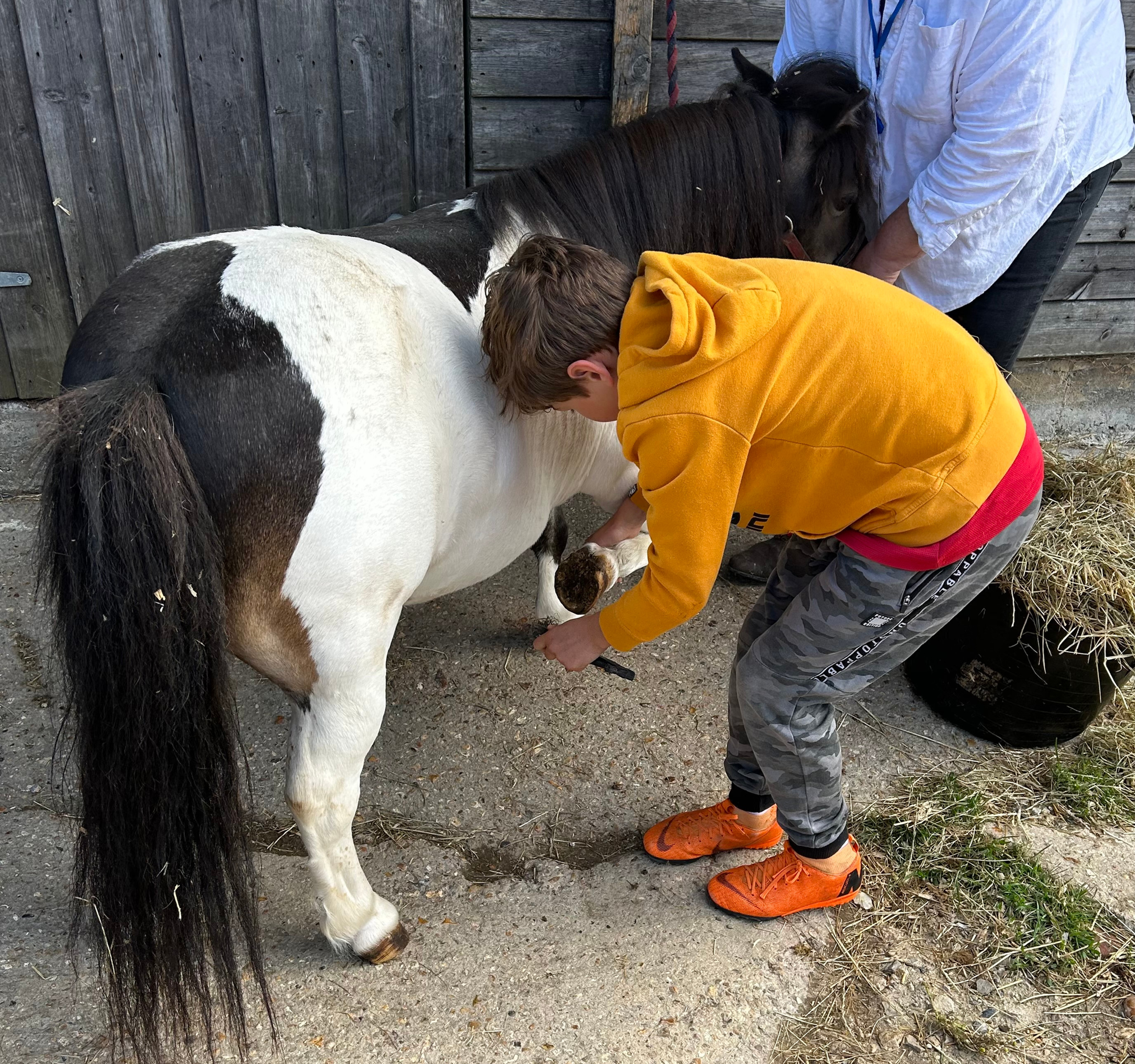
Therapeutic Activities: Participants engage in various activities, such as grooming, leading, and dismounted activities under the guidance of a therapist.
Reflection and Discussion: After each session, participants reflect on their experiences and discuss their feelings with the therapist.
The Role of Trained Professionals
At Furzedown Farm, licensed therapists and equine specialists work together to ensure a safe and effective therapeutic environment. Their expertise is crucial in guiding participants through the emotional and psychological aspects of therapy.
Qualifications of Equine Therapy Professionals
Certification in Equine-Assisted Therapy: Professionals should have formal training in equine therapy techniques.
Mental Health Credentials: A background in psychology or counseling is essential for understanding the therapeutic process.
Equine Knowledge: Familiarity with horse behavior and care is vital for ensuring participant safety and effective interactions.
The Environment at Furzedown Farm
The serene setting of Furzedown Farm plays a significant role in the effectiveness of equine therapy. The farm is designed to provide a peaceful and supportive atmosphere, allowing individuals to connect with nature and the horses.
Features of Furzedown Farm
Spacious Pastures: Ample space for horses to roam and interact with participants.
Comfortable Facilities: Areas for reflection and discussion, ensuring a holistic therapeutic experience.
Natural Surroundings: The calming presence of nature enhances relaxation and emotional healing.
Getting Involved with Equine Therapy
If you or someone you know could benefit from equine therapy, Furzedown Farm offers various programs tailored to different needs. Here’s how to get started:
Contact Furzedown Farm: Reach out to inquire about available programs and schedule an initial assessment.
Participate in an Introductory Session: Experience the therapeutic process firsthand to determine if it’s the right fit.
Commit to the Journey: Regular participation is key to achieving lasting benefits from equine therapy.
Conclusion
Equine therapy at Furzedown Farm is more than just a unique experience; it is a transformative journey that has the potential to change lives. Through the powerful bond between humans and horses, individuals can find healing, build confidence, and develop essential life skills. If you are seeking a new path to well-being, consider exploring the world of equine therapy. The horses at Furzedown Farm are waiting to help you on your journey to transformation.


Comments